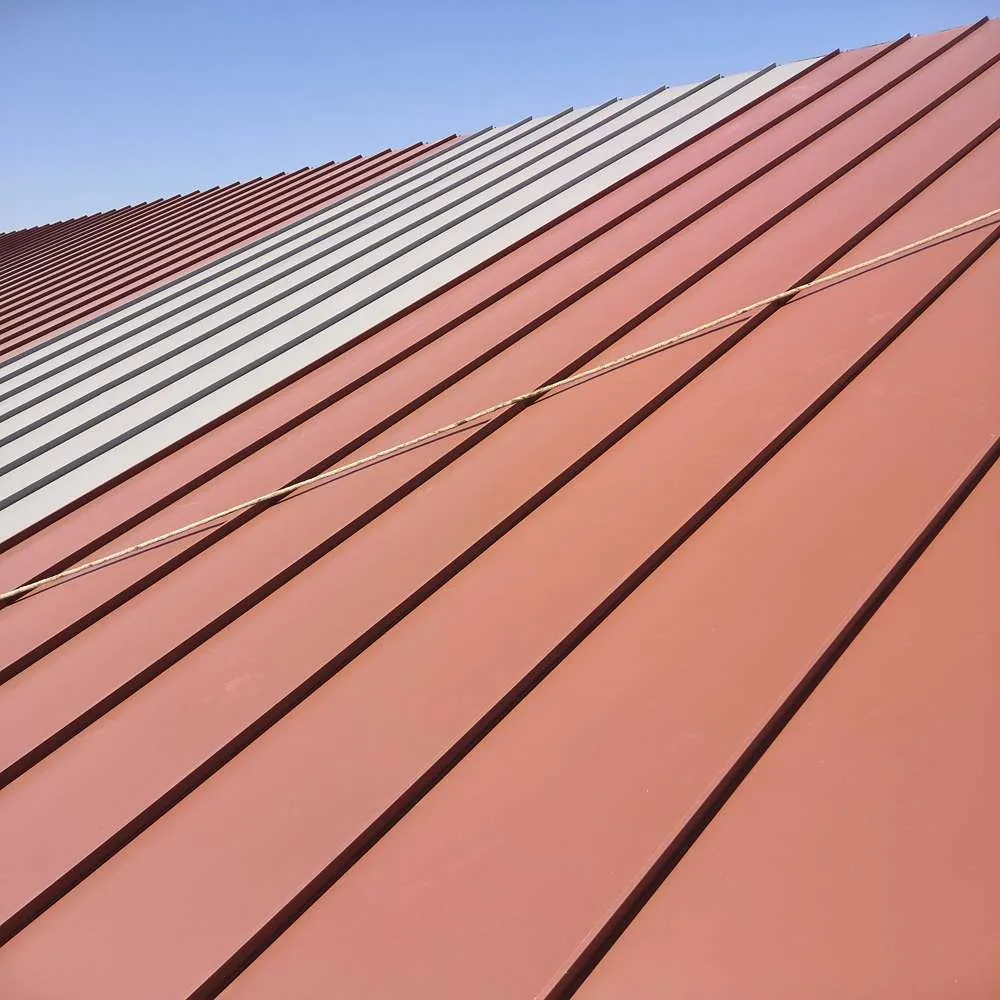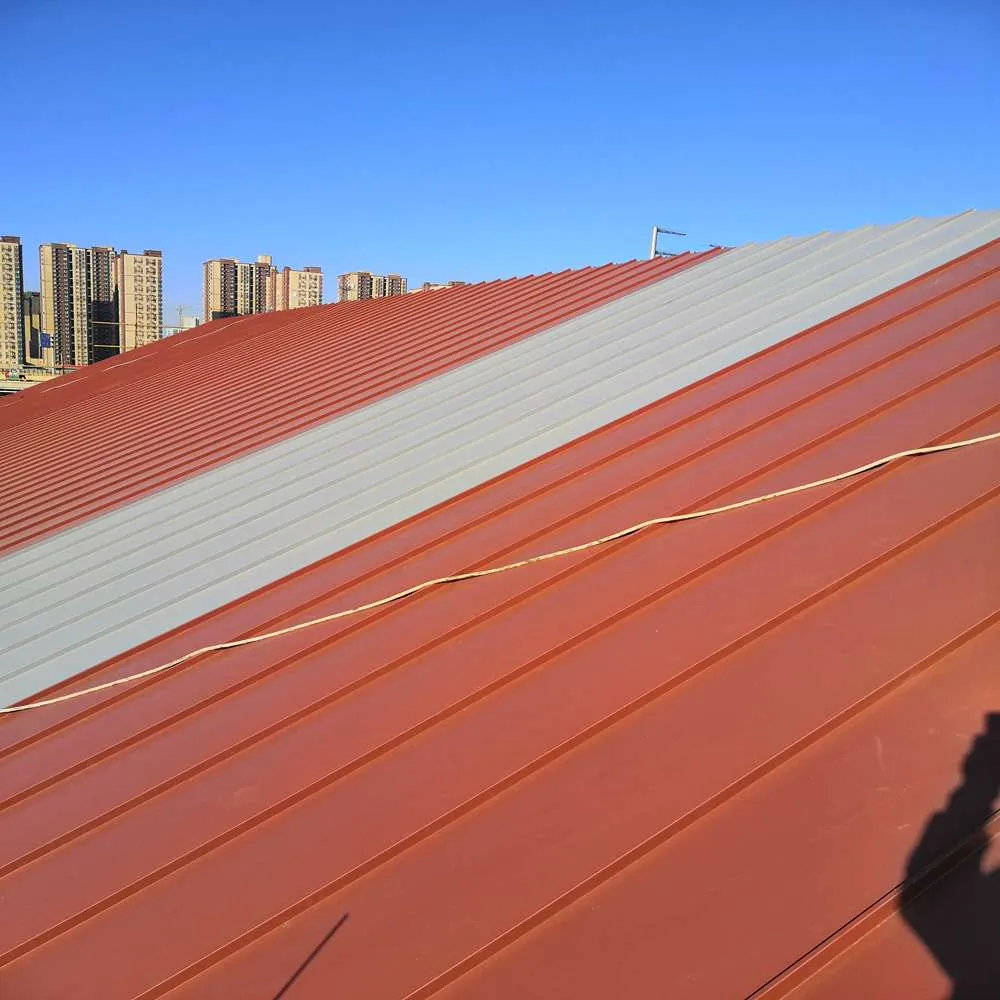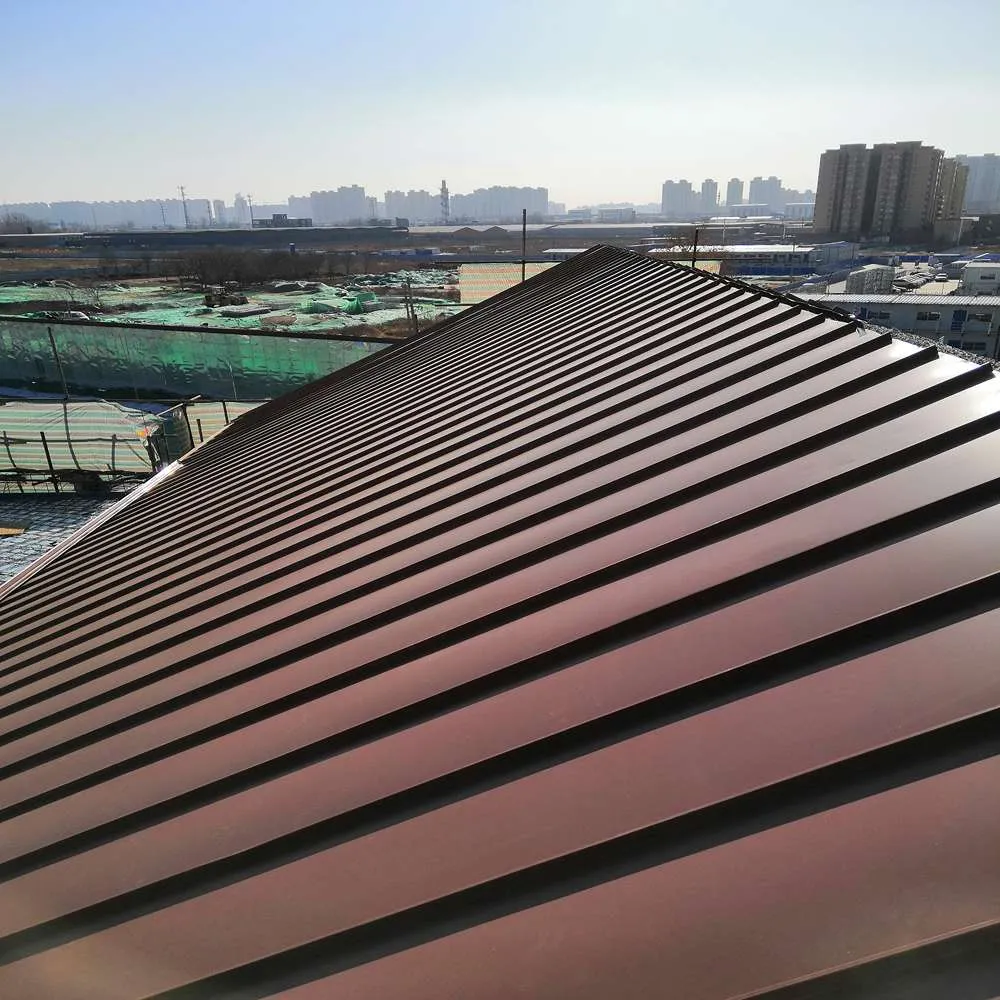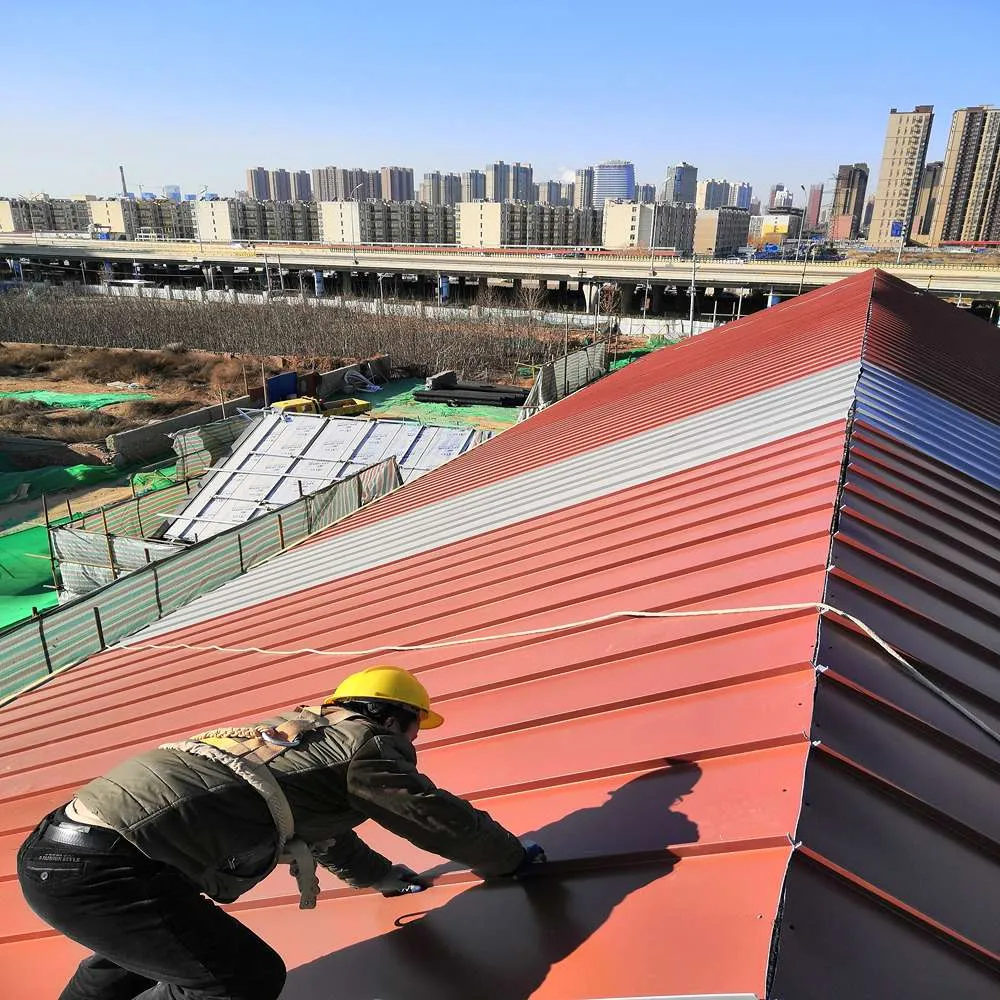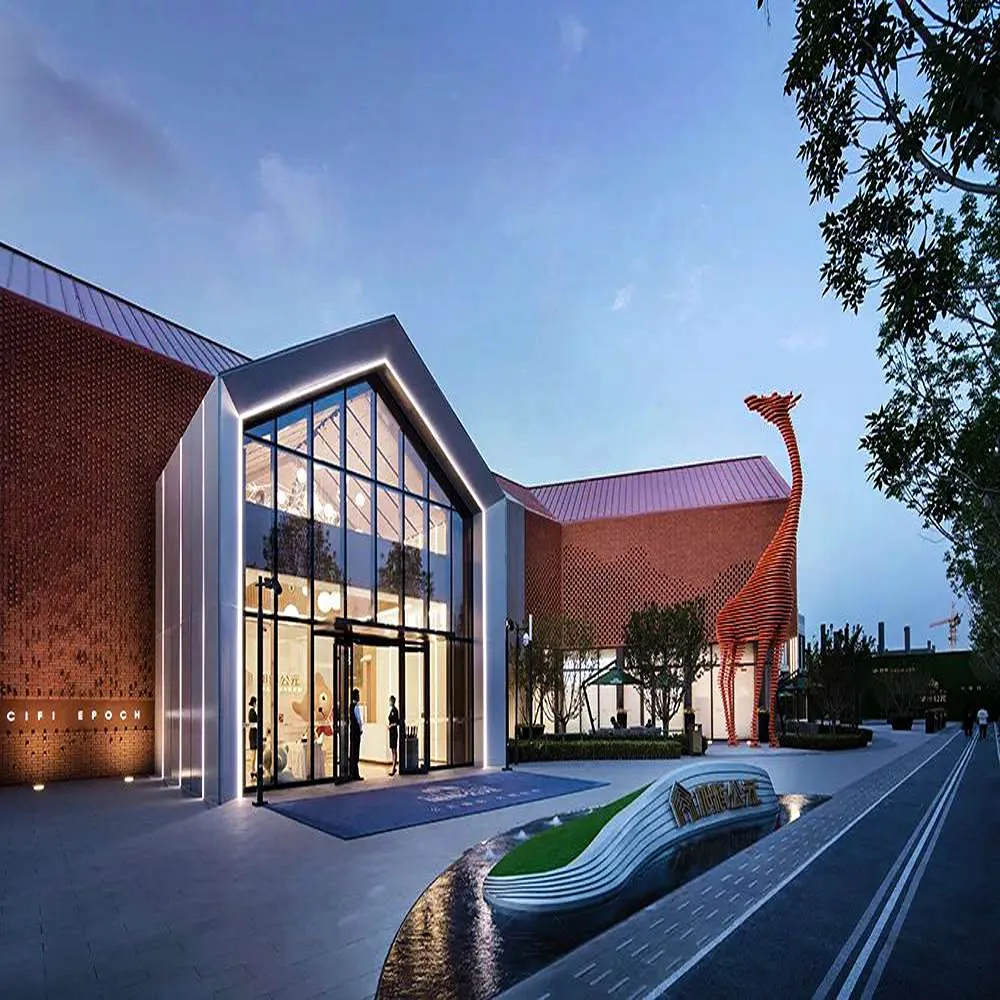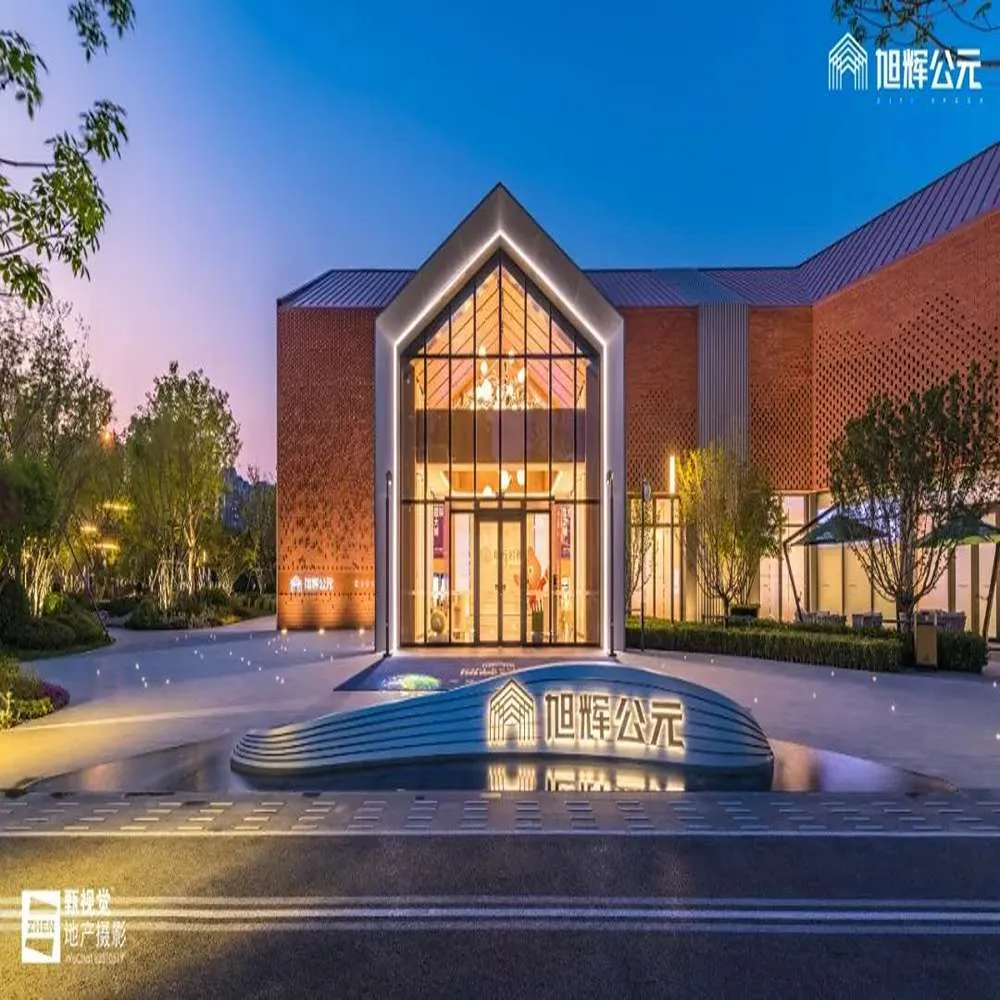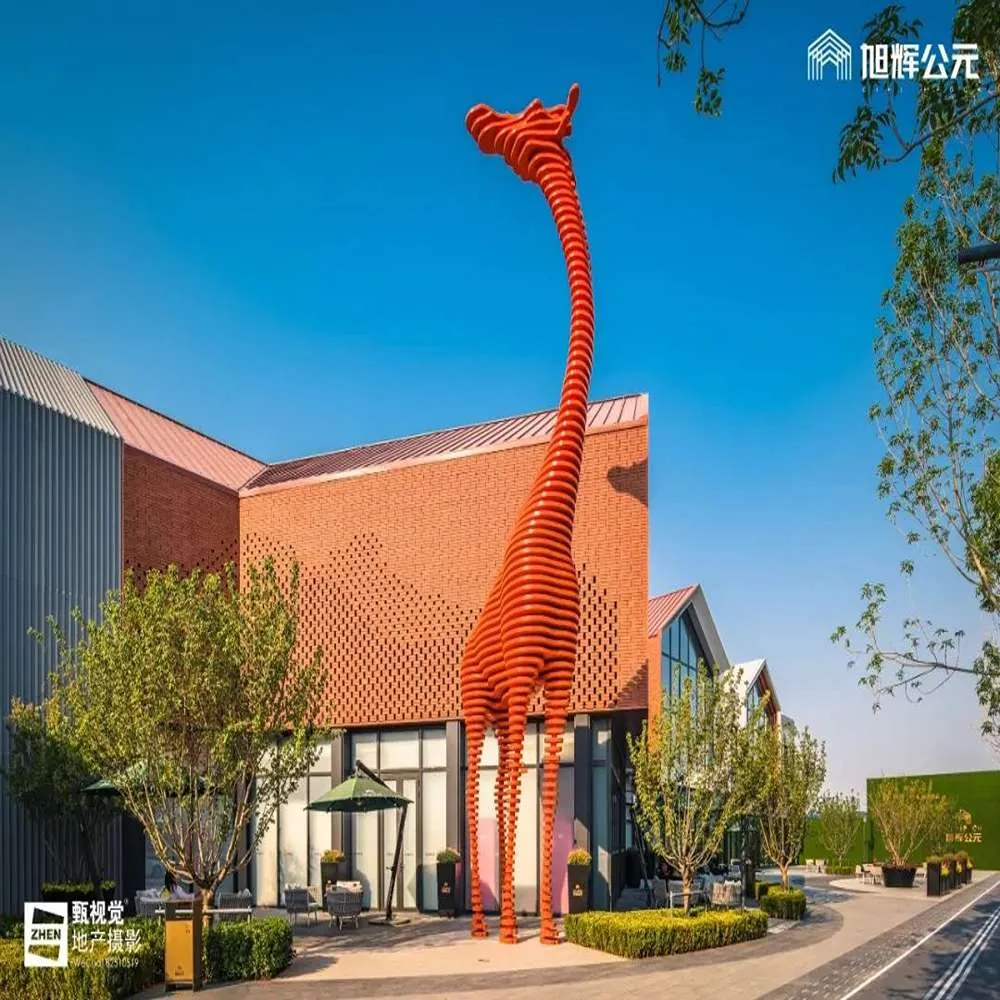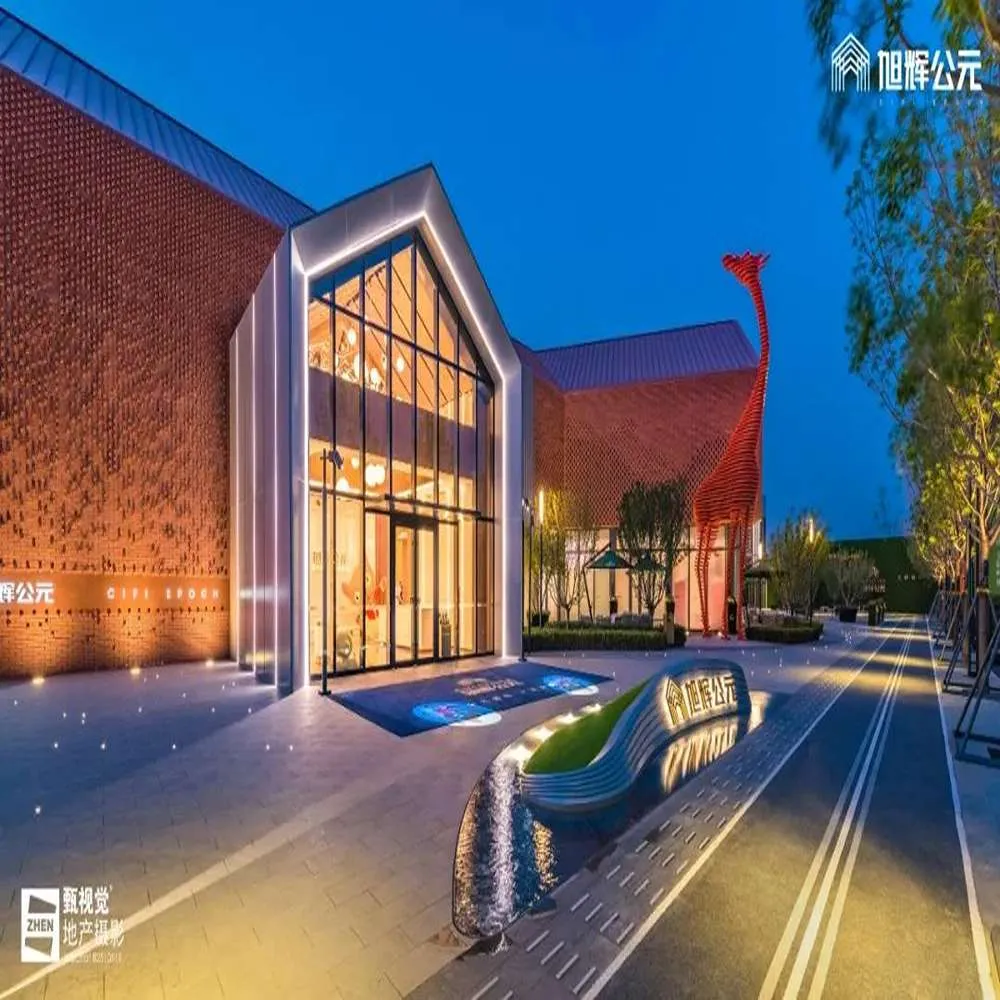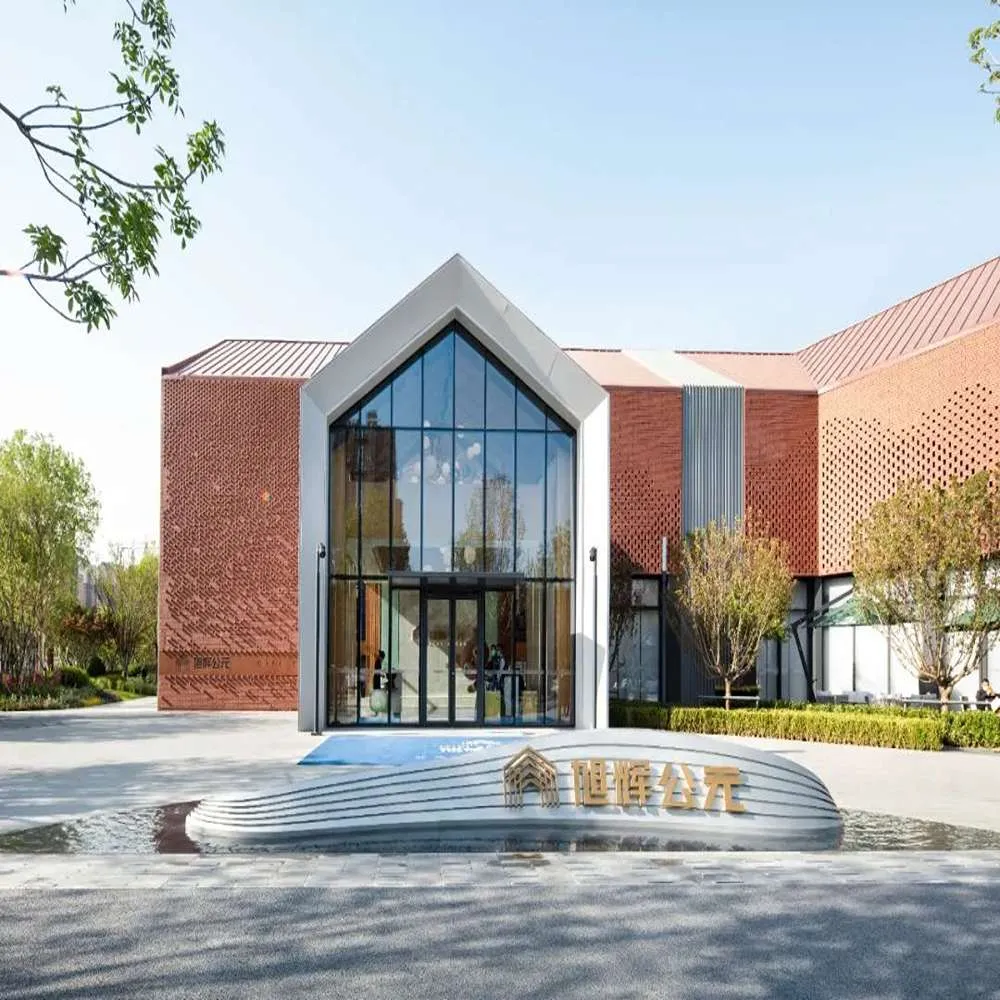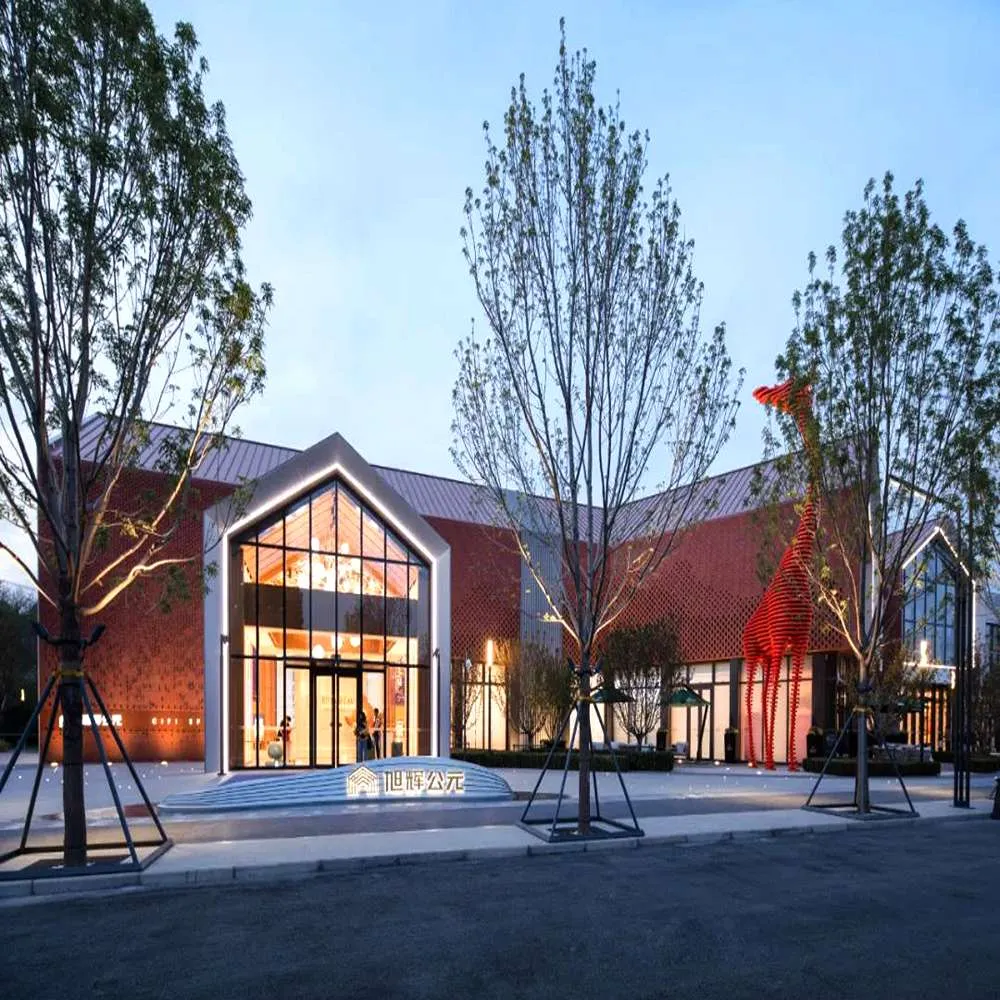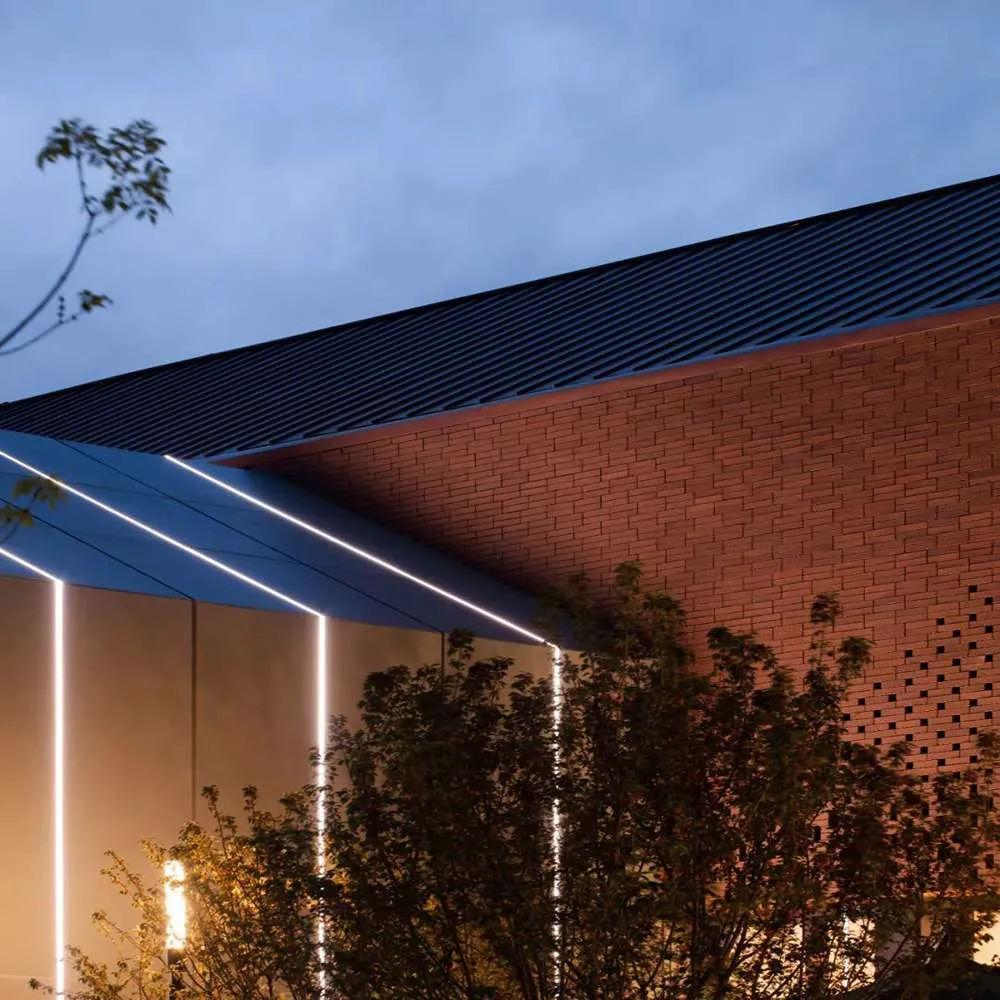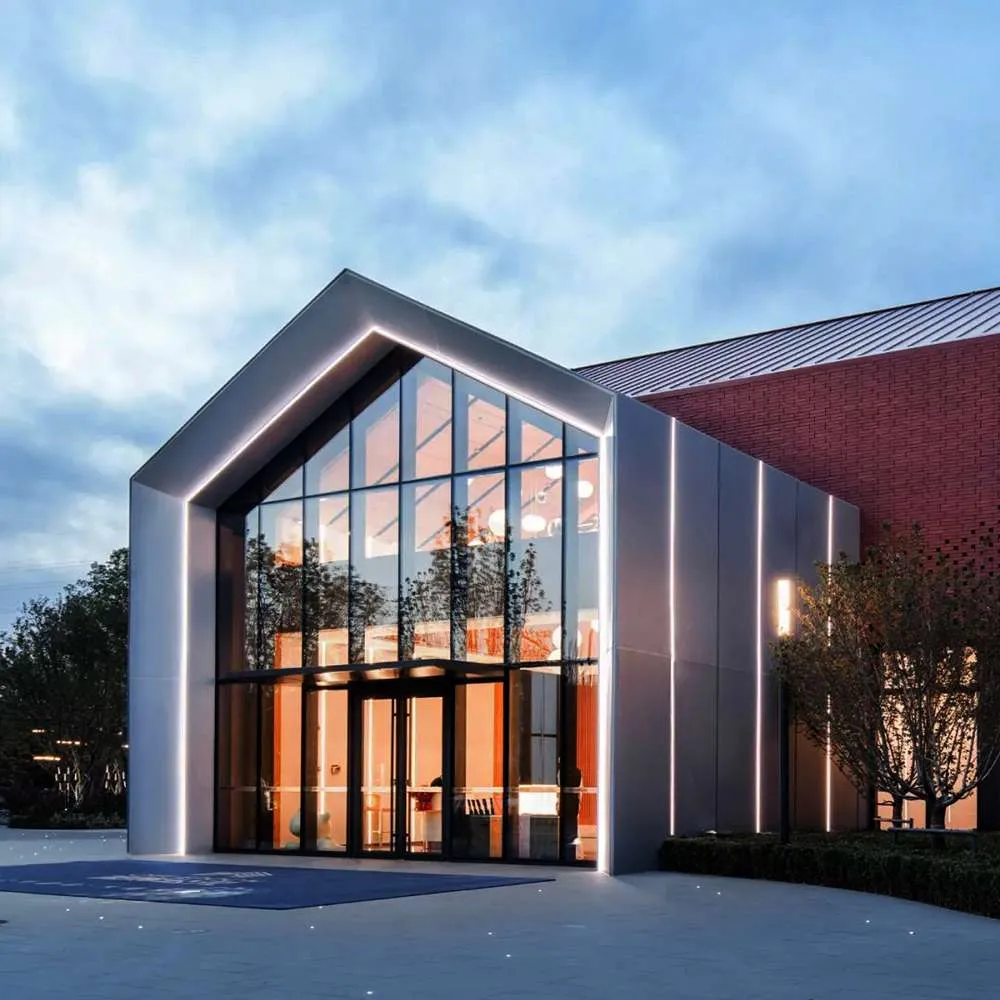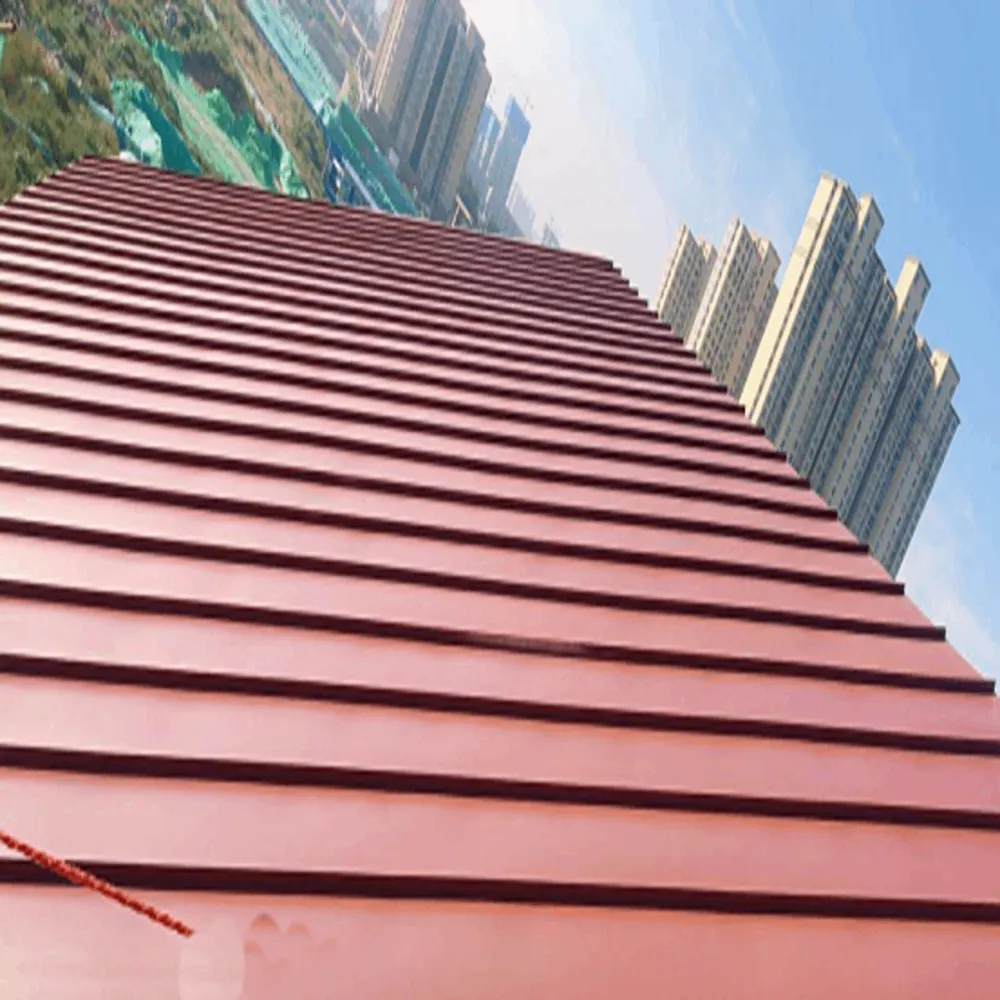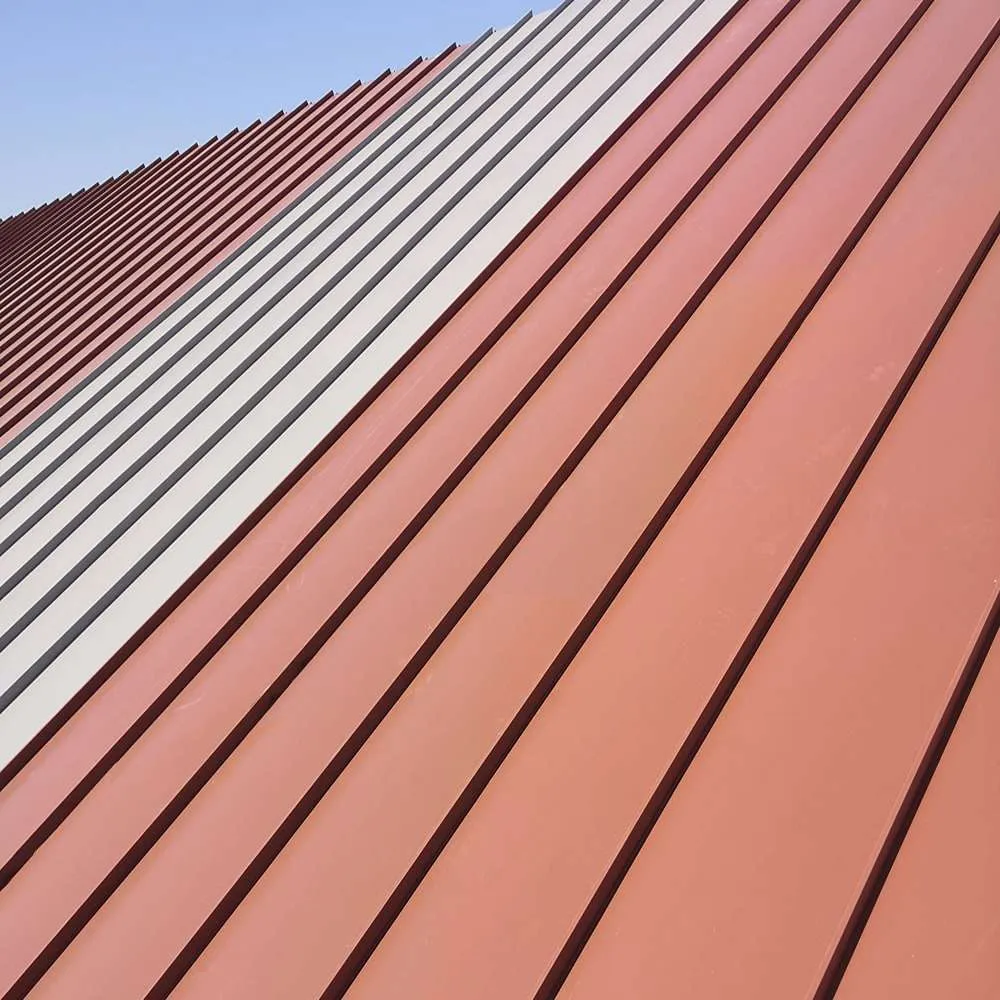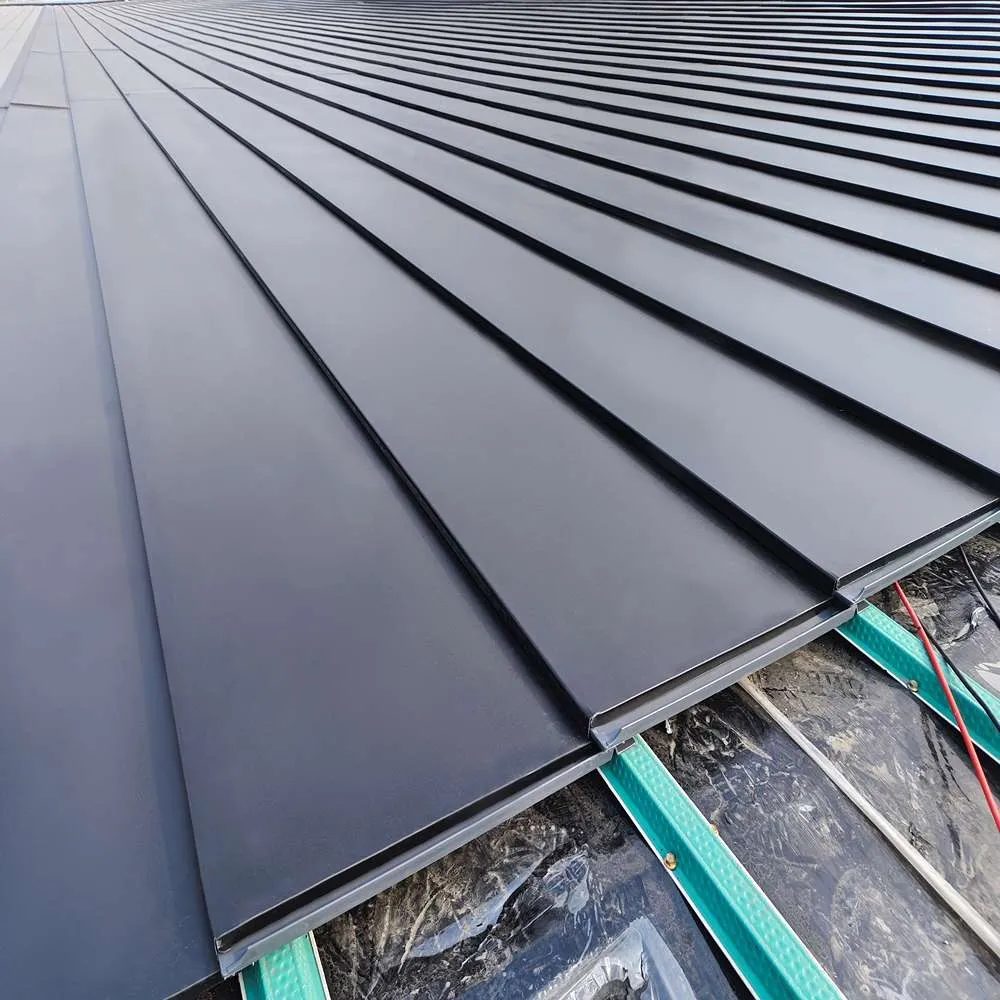


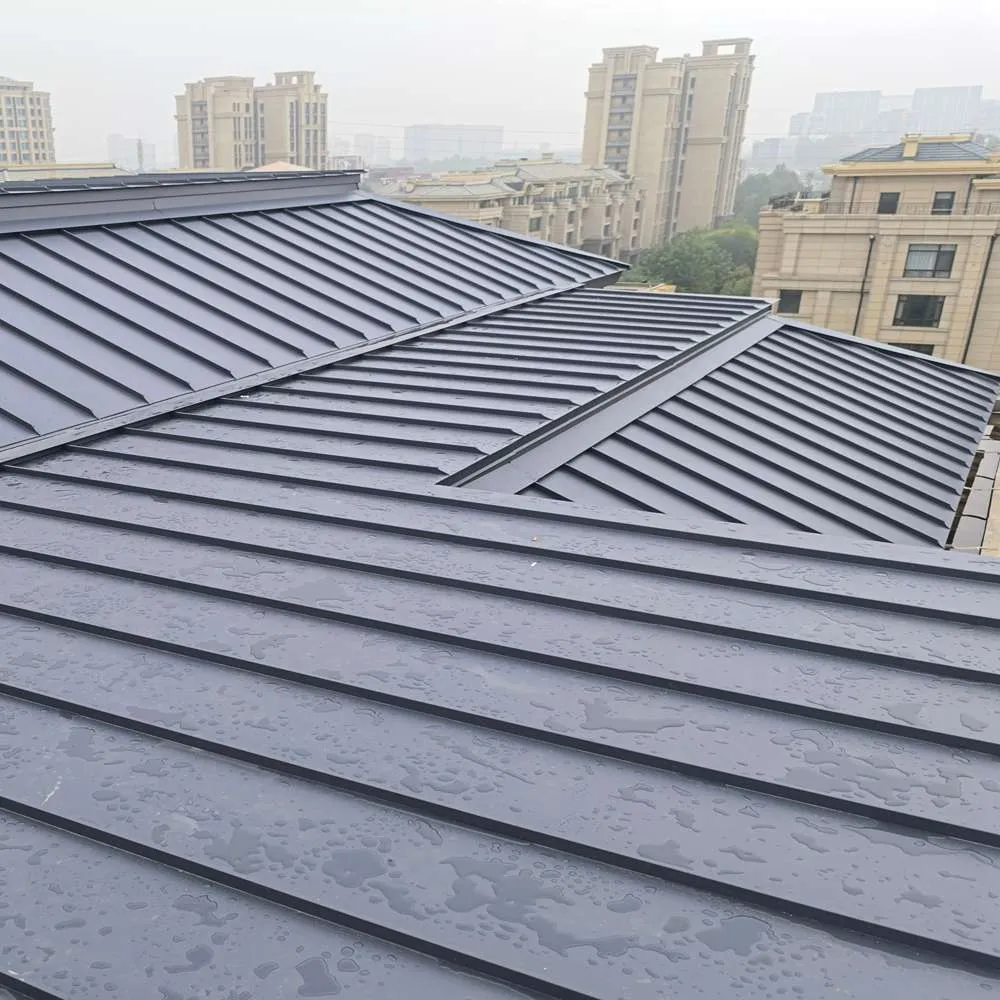

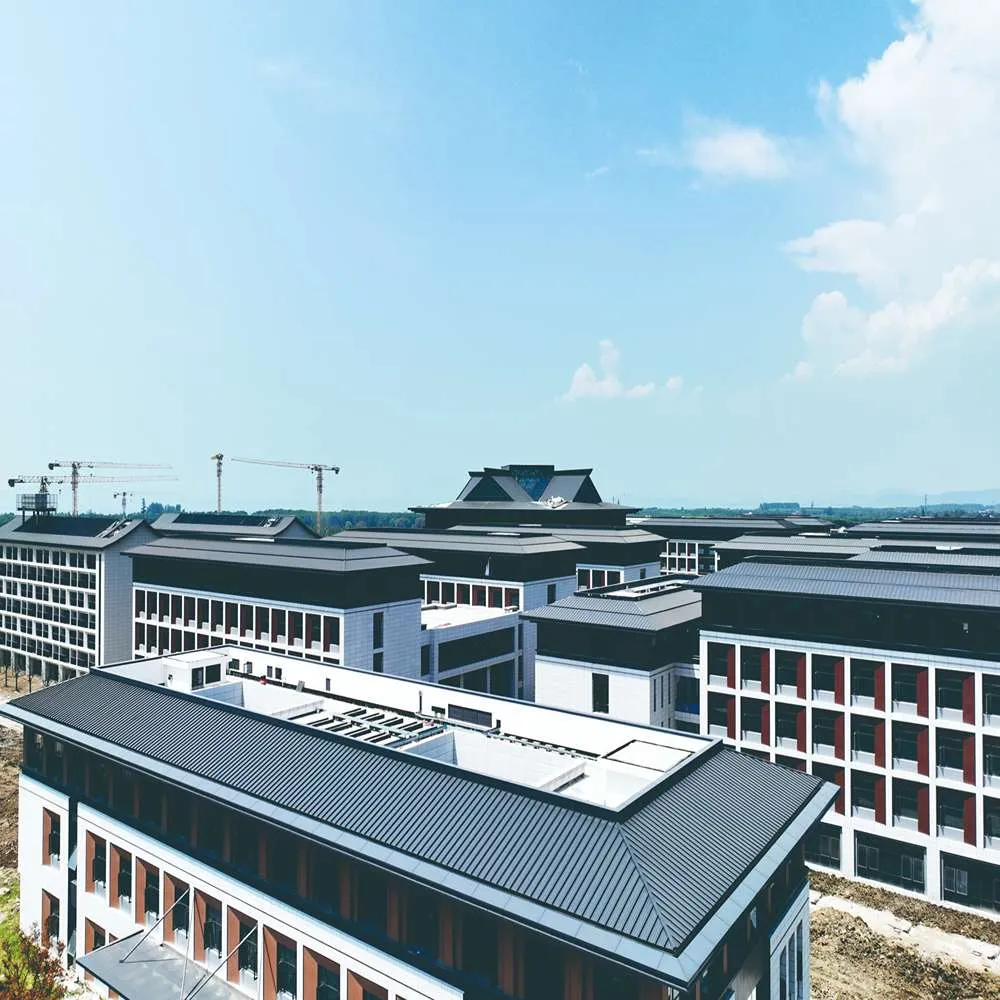
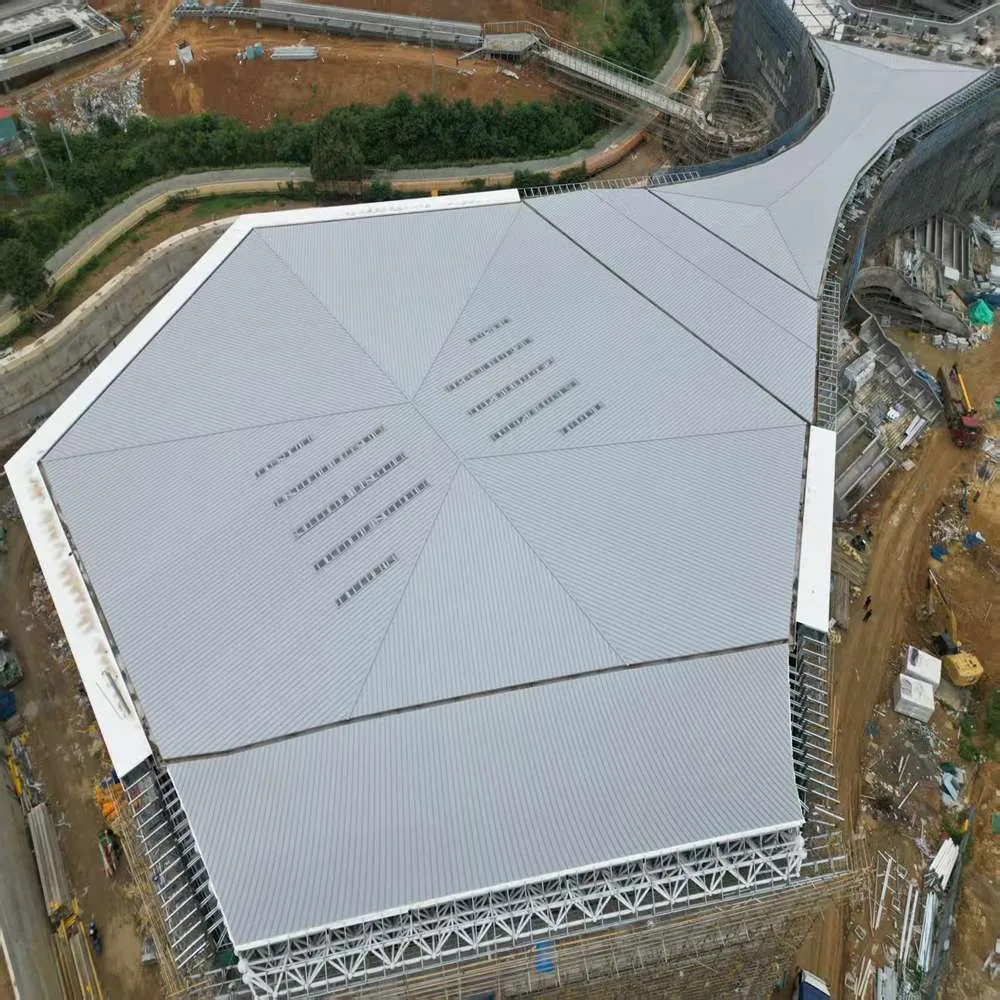
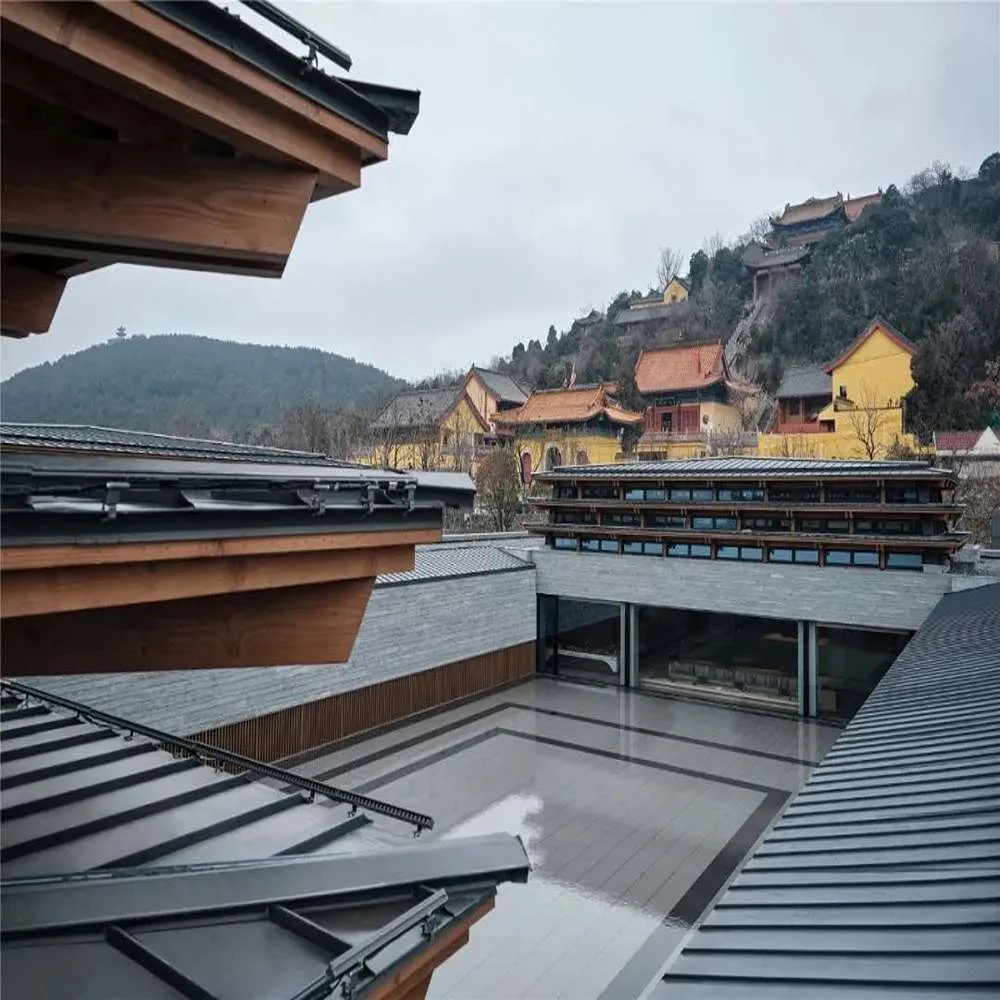
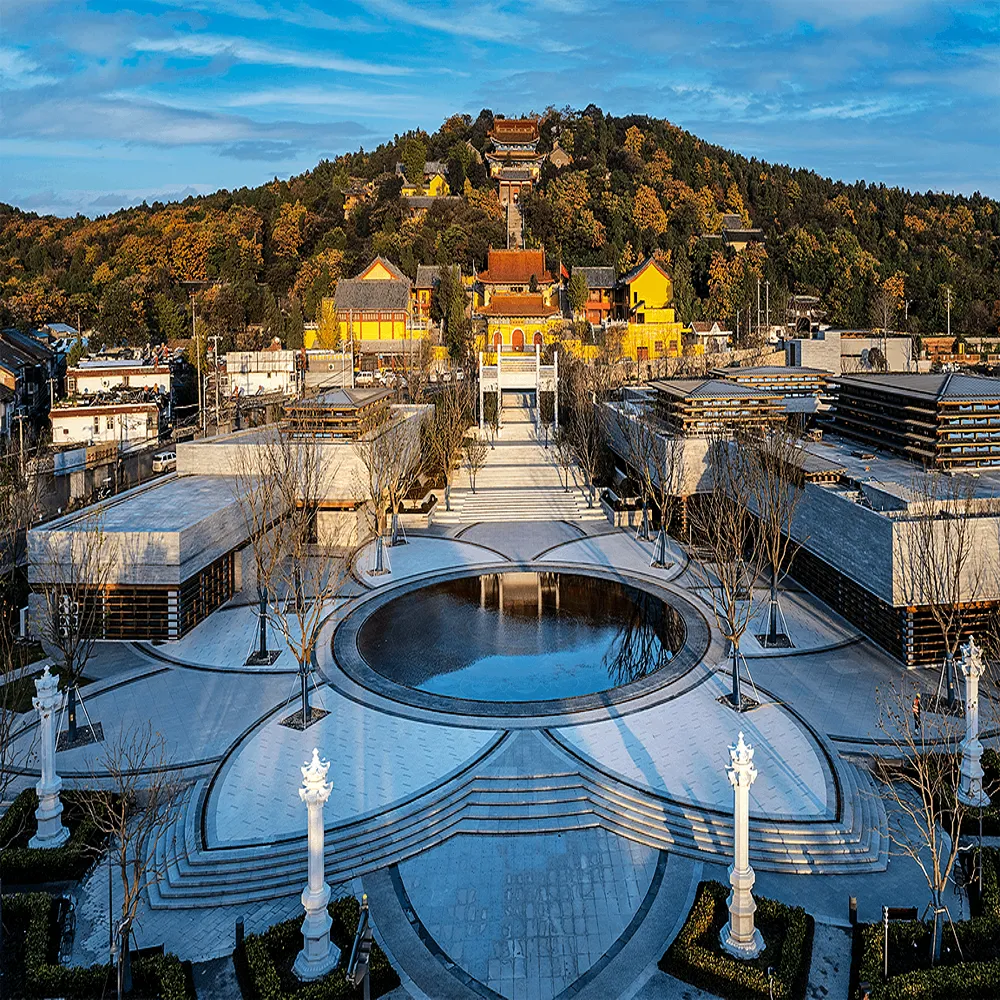
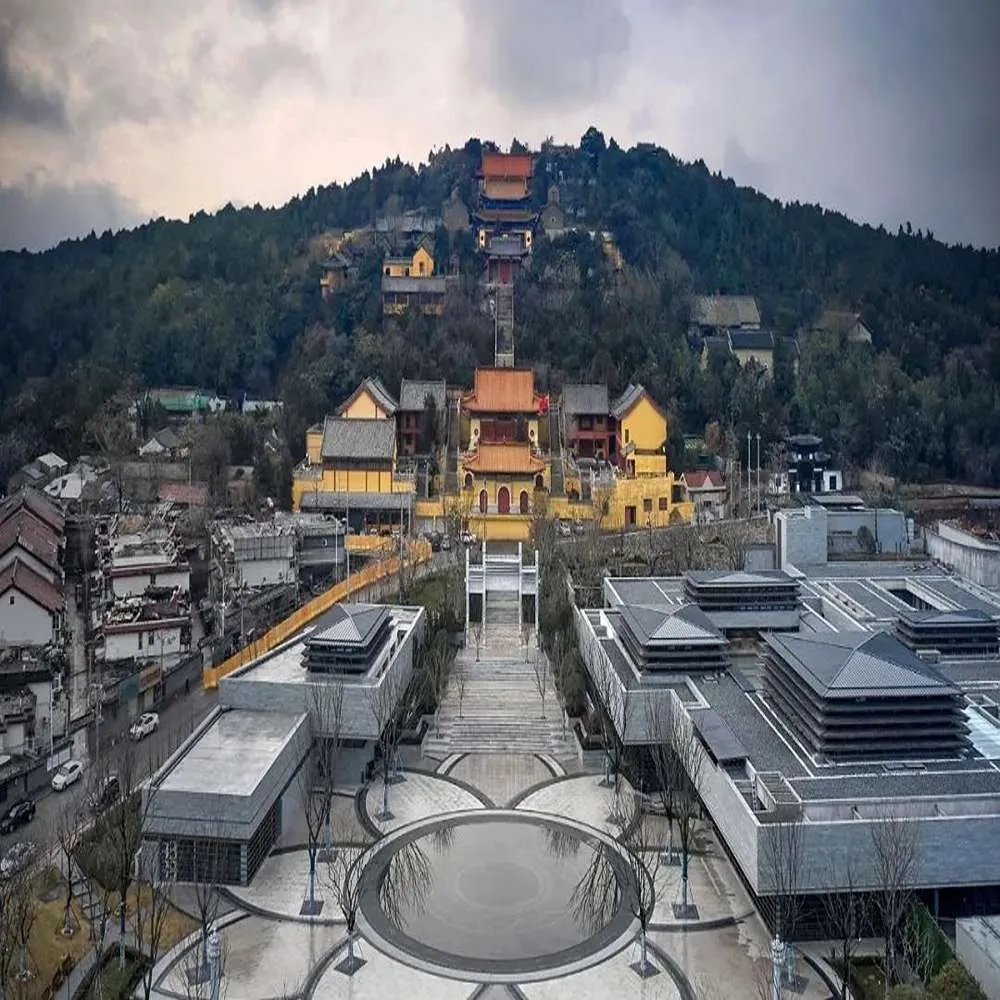
The concealed self-locking fastener metal roof panel is a high-performance roofing system that employs
advanced self-locking technology and meticulous design. Its core feature lies in the fact that adjacent panel
ribs are tightly fastened together through a unique pressing locking mechanism, and all fasteners are
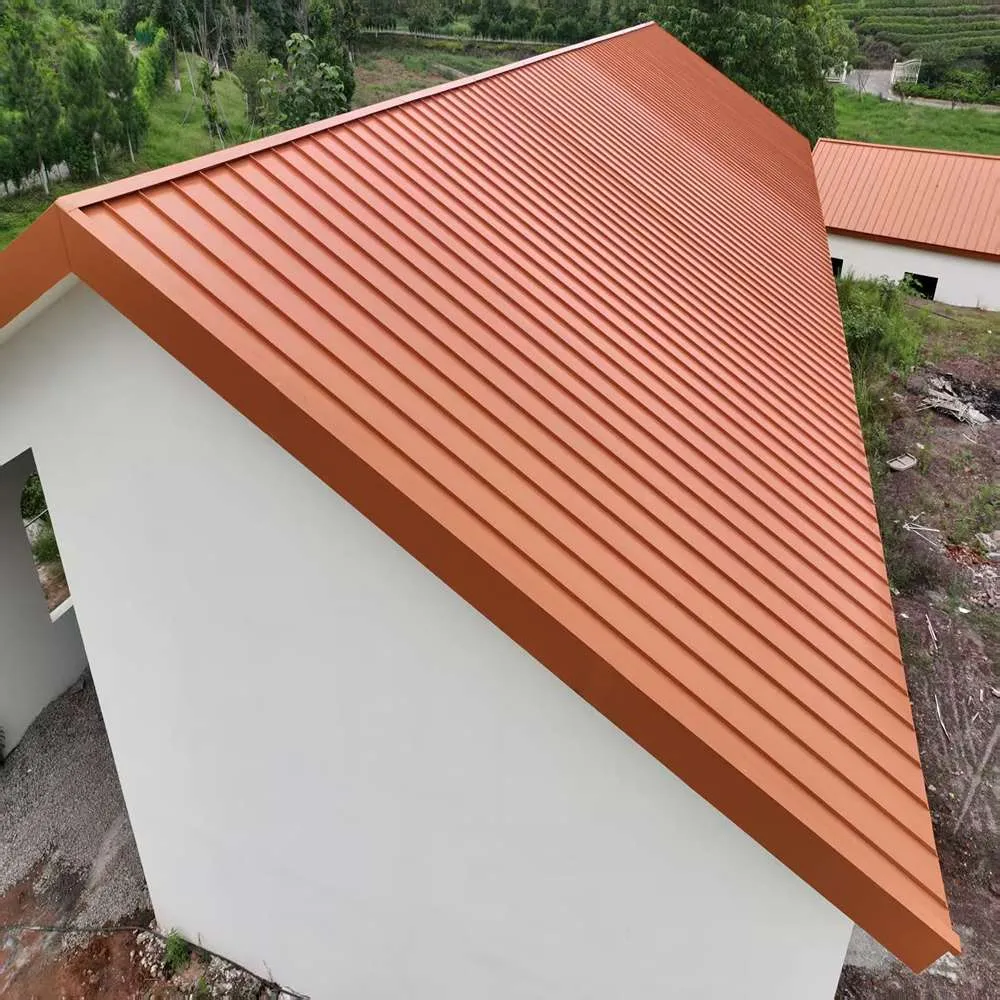
completely hidden beneath the panel. The roof’s appearance features clean, flowing continuous lines,
combined with exceptional waterproof and wind-resistant performance and outstanding architectural
aesthetics.
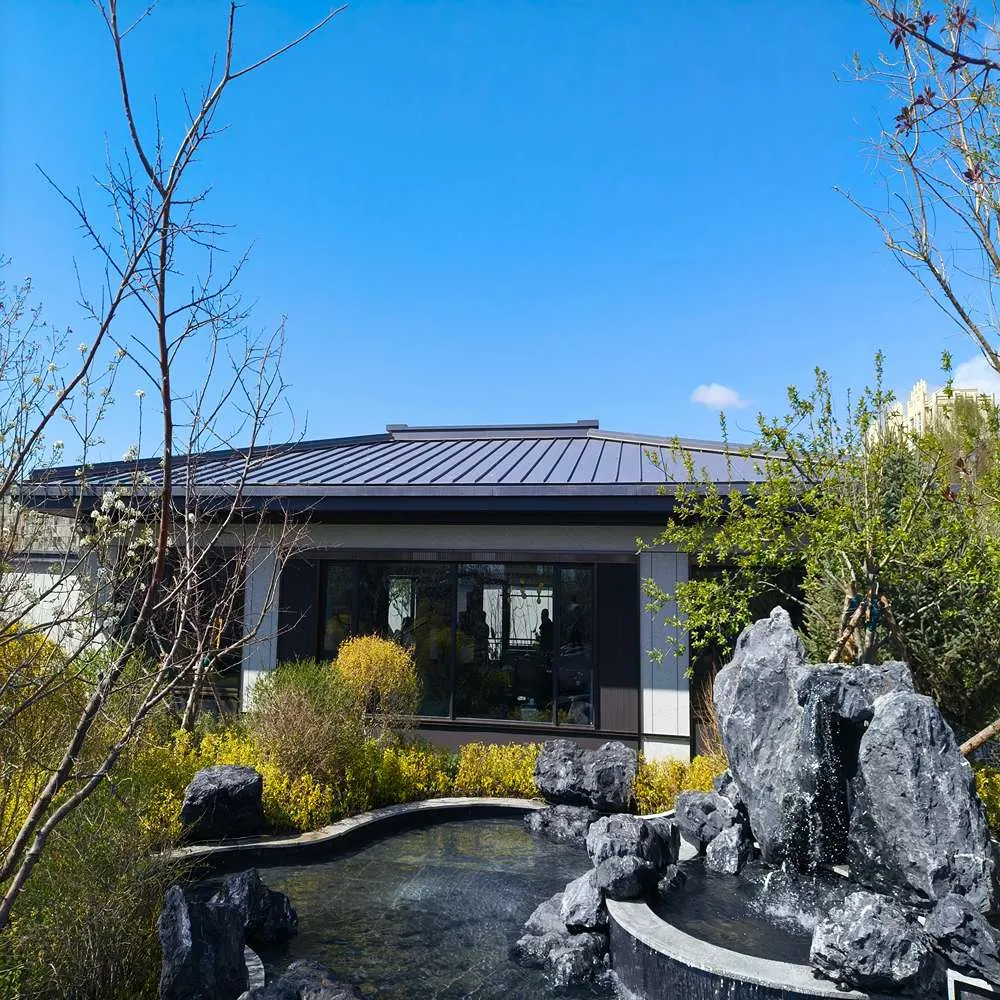
1.Structural characteristics of Hidden self-locking clasp
The screw fasteners are hidden behind the sheet material; the length of the sheet material is unlimited
and there are no joints; it features a snap-lock installation method, which is quick and convenient; it is
particularly suitable for use in low-slope constructions; it boasts excellent waterproof properties; it
expands and contracts with temperature changes, having flexible gaps; its snap-lock structure
ensures excellent flatness after installation.
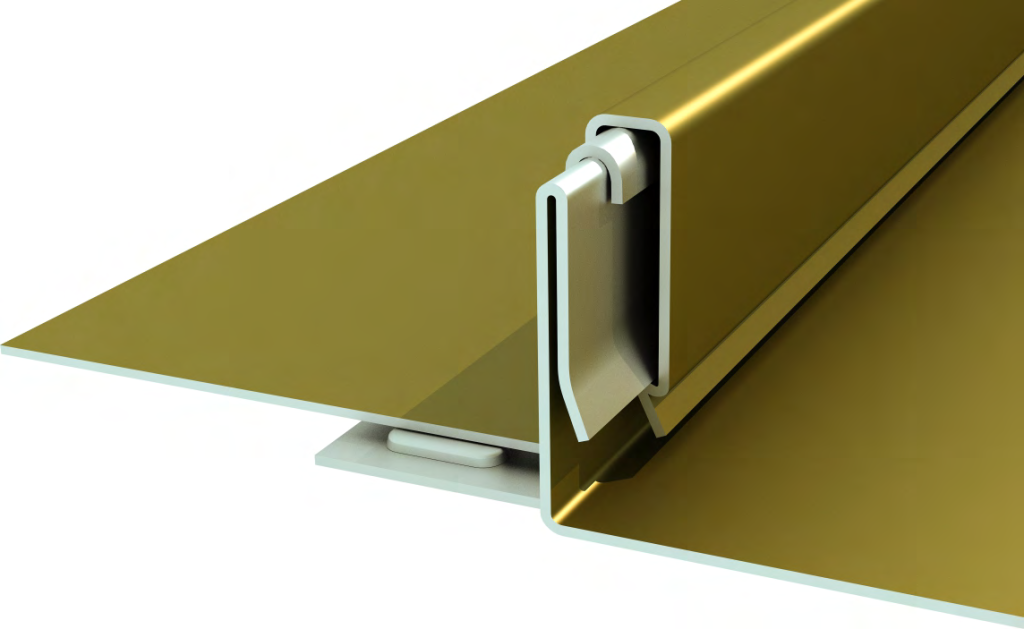
2.Texture of Timber Of Hidden self-locking clasp of metal roof panel
Choosing 304 stainless steel as the fixing pin for the concealed self-locking
buckle panel essentially provides an "insurance" for the crucial concealed
project. ItUsing the highest standards of materials science, the building's
exterior facade is ensured to be safe, stable and maintenance-free for a long
time. This is a manifestation of the building's quality and design responsibility.
Using the best materials in places that are not visible is a basic requirement for
safety and durability in the construction industry.
3.Why are aluminum-magnesium-manganese alloy panels preferred for exterior maintenance systems?
Lightweight and high strength.The density is approximately 1/3 that of steel,
which significantly reduces the load on the main structure and foundation,
thereby lowering the overall construction cost.Excellent corrosion resistance.A
dense alumina protective coating naturally forms on the aluminum surface. This
coating can last for over 50 years and requires minimal maintenance.Excellent
formability and machinability.The aluminum-magnesium-manganese alloy has
excellent ductility, making it highly suitable for roll forming, which meets the
diverse architectural design requirements.Structural waterproofing
capabilities:Its core application form is the concealed roof and exterior wall panel
system. Through the use of a concealed structure, a continuous, perforation-free
roof surface is created. The panels have no joints along their length, making them
highly water-resistant.Adaptation to large temperature variations and resulting
deformations.Metal roofs undergo significant thermal expansion and contraction
due to temperature differences. The thermal expansion coefficient of aluminum-
magnesium-manganese alloys is relatively high, which helps prevent thermal
stress damage.
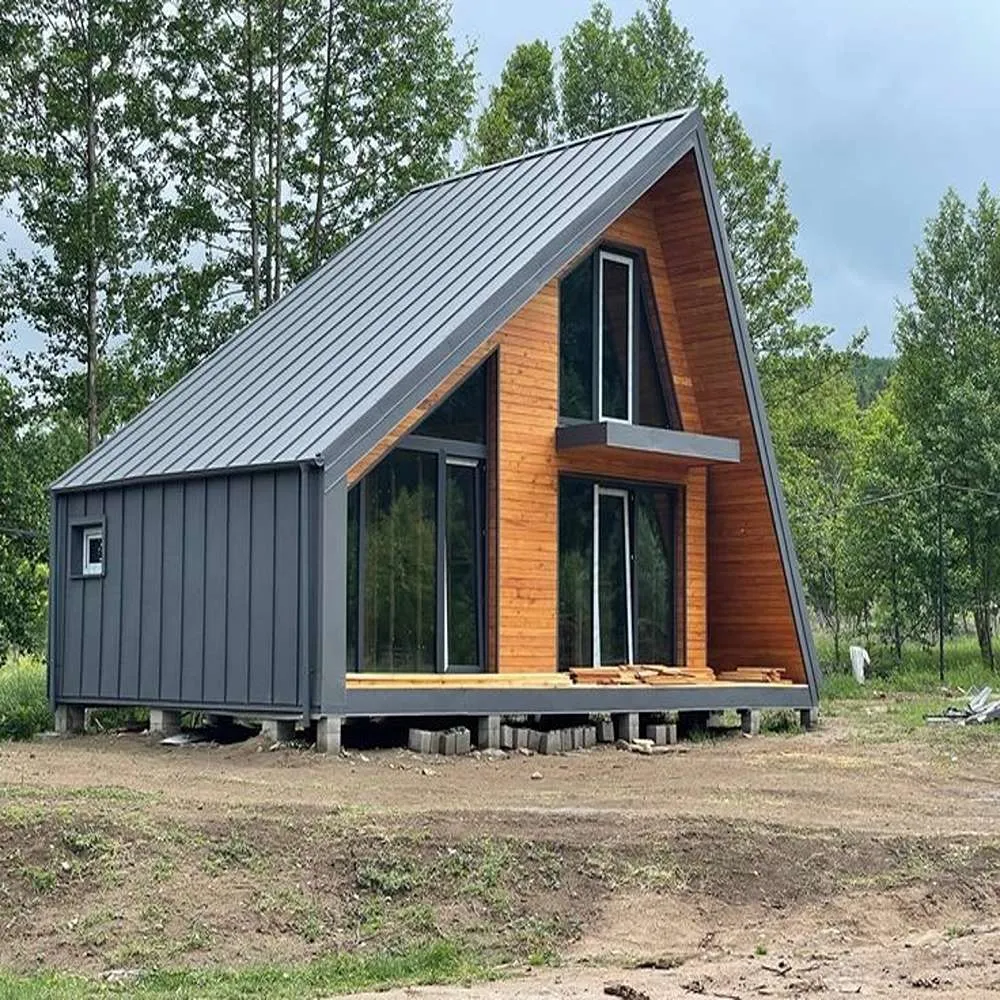
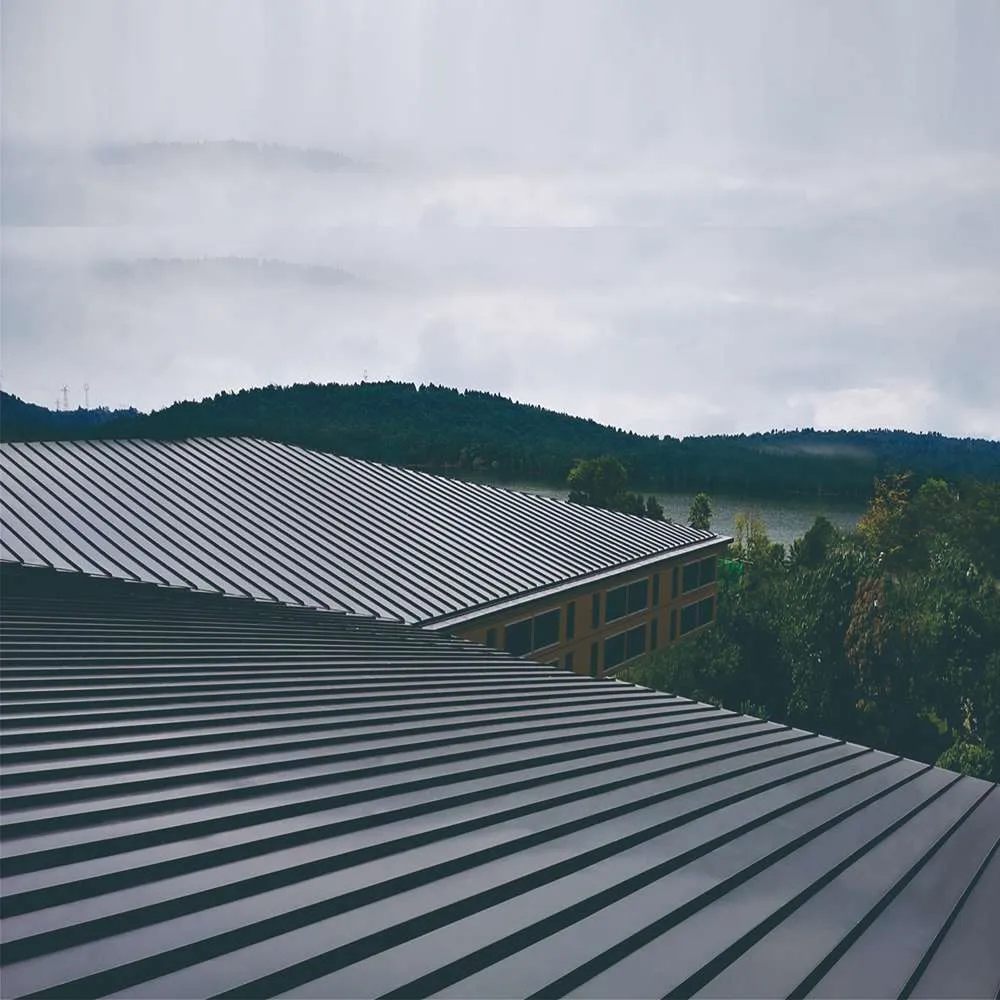
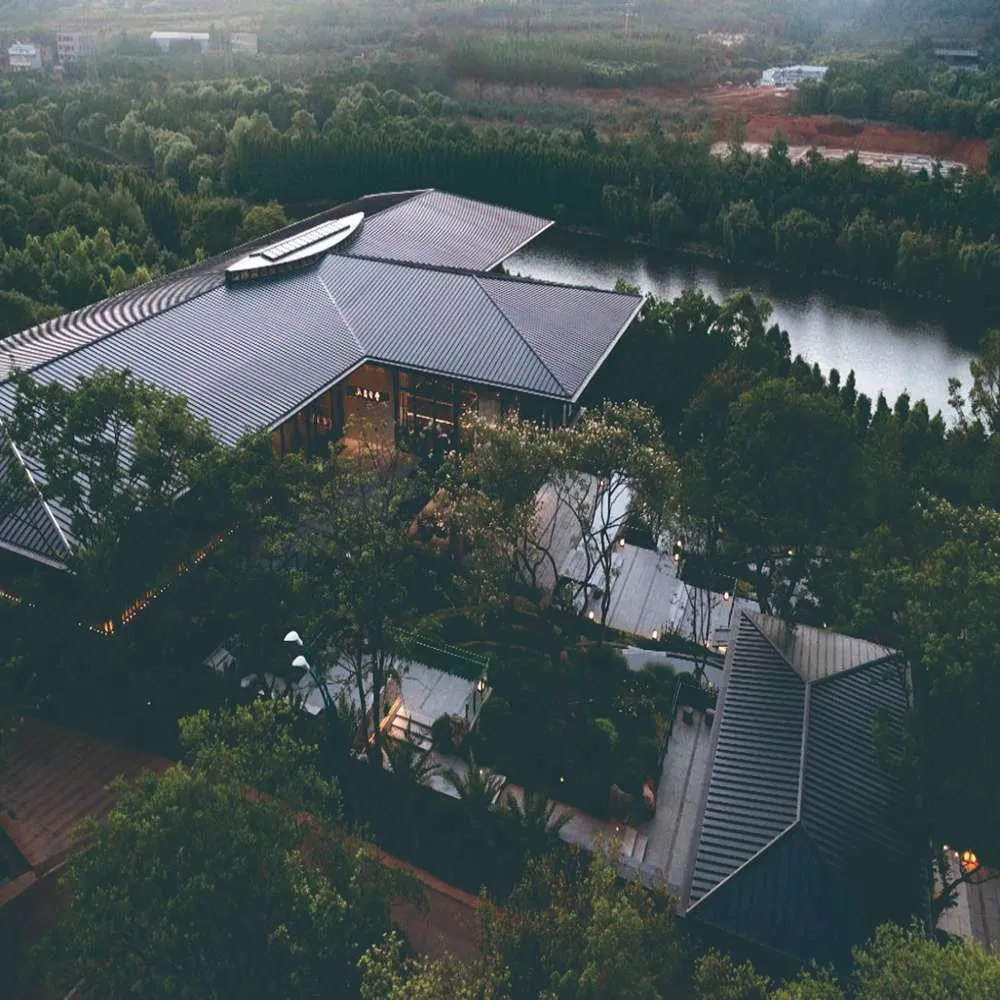
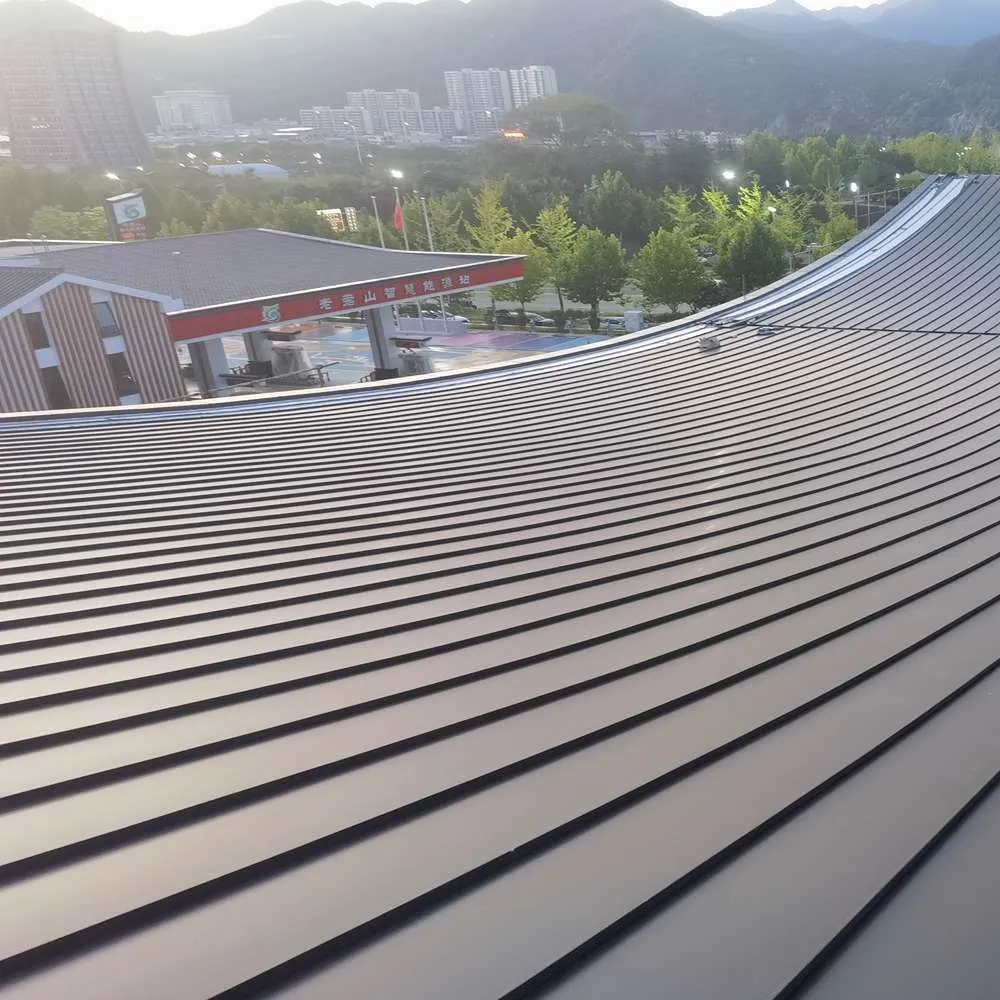
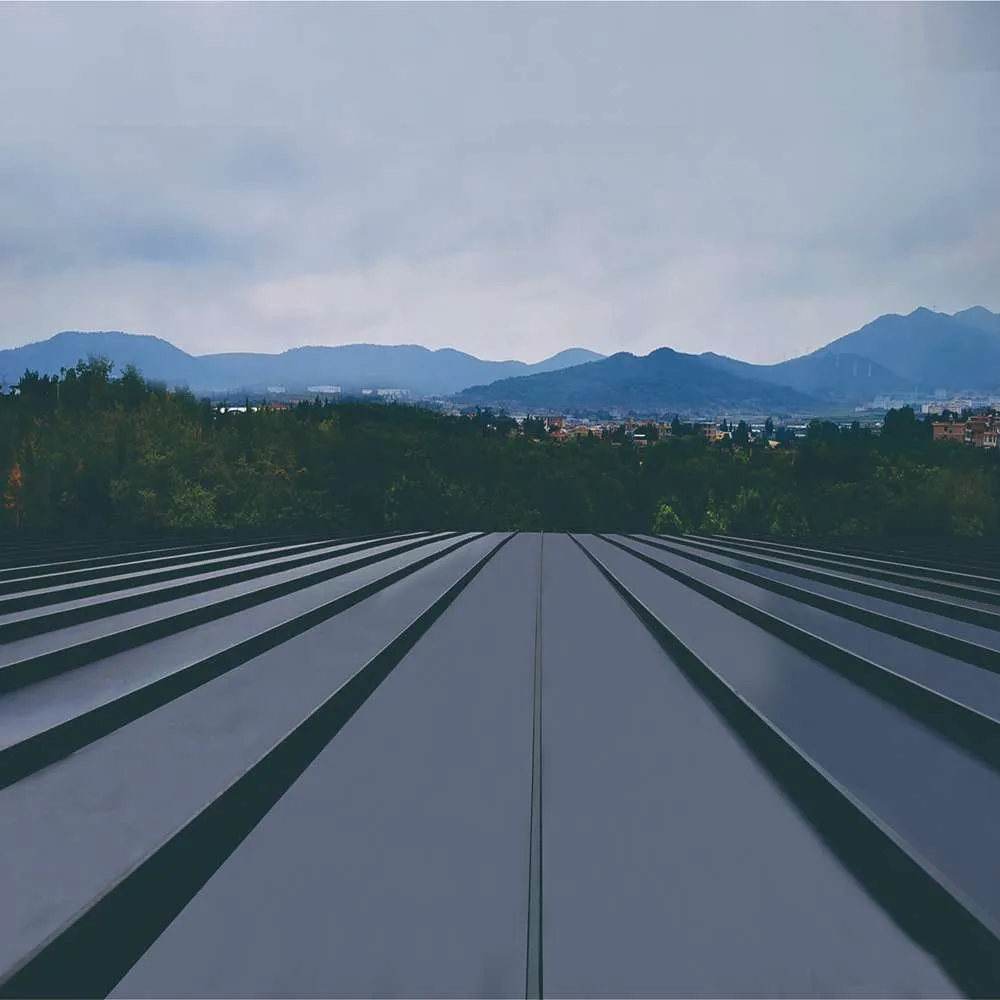
4. Projects of aluminum-magnesium-manganese alloy metal roof panels