

Best Asphalt Shingles: Lifespan, Class 4 Impact Resistance & Metal Roof vs Shingle
I get the same questions over and over again from homeowners, contractors, and developers:
- “What are the best asphalt shingles?”
- “How long will this roof actually last?”
- “Is a metal roof really better than asphalt shingles?”
- “Do I need impact-resistant shingles in a hail area?”
- “Will these shingles stay on in a storm?”
- “How about fire resistance?”
If you’re here, you probably don’t want a textbook answer. You just want a roof that doesn’t fail early, doesn’t blow off, and doesn’t destroy your budget.
So I’ll walk you through how I personally look at performance and lifespan. At the end, if you want a suggestion for your specific project, you can send me a few details and I’ll point you in the right direction.
1. How Long Do Asphalt Shingles Really Last?
The first thing people want to know is lifespan. There’s no single number that fits every roof, but there are some realistic ranges.
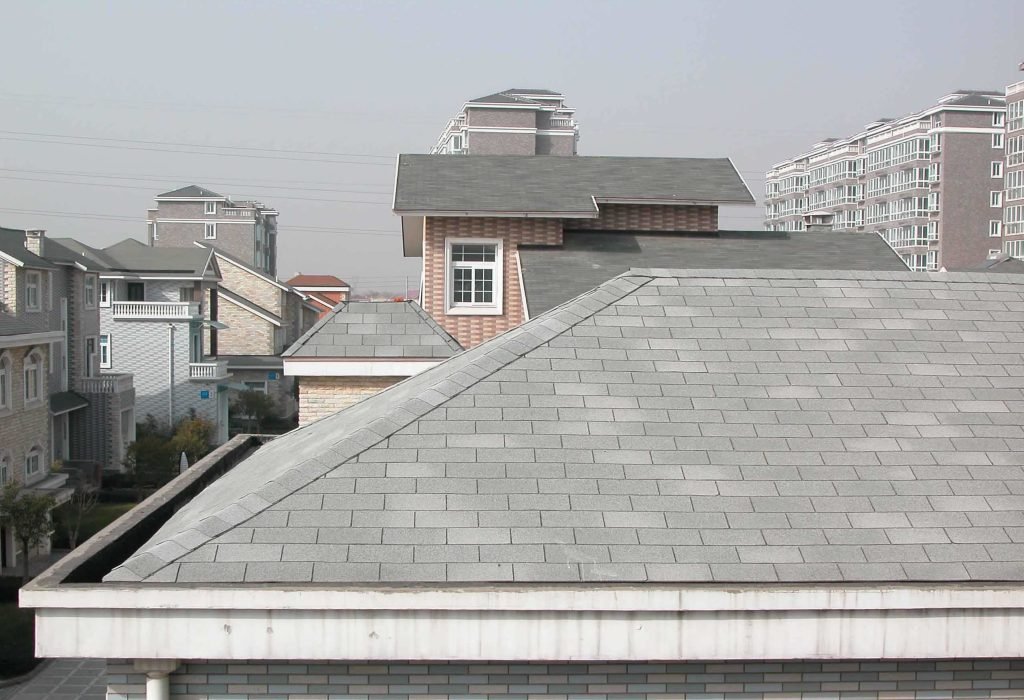
3-Tab Shingles
- The simple, flat, “classic” shingle
- Typical life: around 15–20 years in normal conditions
- Good for rental properties, budget projects, and basic residential roofs
Architectural / Laminated Shingles
- Thicker, with a layered look
- Typical life: around 25–30 years
- A good match for most standard homes
Premium / Impact-Resistant Shingles
- Built for tougher conditions
- Typical life: 30+ years with proper installation and ventilation
- Ideal where weather is harsh or clients expect higher performance
Climate matters a lot. Strong sun, large temperature swings, coastal winds, or frequent storms can all shorten (or occasionally extend) those numbers. That’s why I don’t throw out a single “this will last 30 years” claim to everyone.
If you want something more realistic for your own roof, tell me your city, roof size, and basic roof shape, and I can give you a rough lifespan range instead of a guess.
2. Metal Roof vs Asphalt Shingles: Which Makes More Sense?
This comparison comes up constantly: metal roof vs asphalt shingles.
Metal Roof – The Good and the Bad
Pros:
- Very long service life when done properly
- Great fire performance
- Clean, modern look
Cons:
- Much higher upfront cost
- Can be noisy in heavy rain if not detailed well
- More complicated around chimneys, skylights, and penetrations
- Not every neighborhood or homeowner likes the look
Asphalt Shingles – The Good and the Bad
Pros:
- Much more affordable than metal
- Faster and easier to install and repair
- Huge range of colors and styles
- Works well with most residential styles
Cons:
- Lifespan isn’t as long as a good metal system
- Quality of installation has a big impact on performance
If you want a good balance of cost, appearance, and performance, a well-specified asphalt shingle roof usually makes more sense than jumping straight to metal. You pay a lot less upfront and still get a roof that lasts.
If you’re genuinely torn between the two, I can compare them for your actual roof instead of in theory.
3. Hail Areas: When You Should Look at Class 3 and Class 4 Shingles
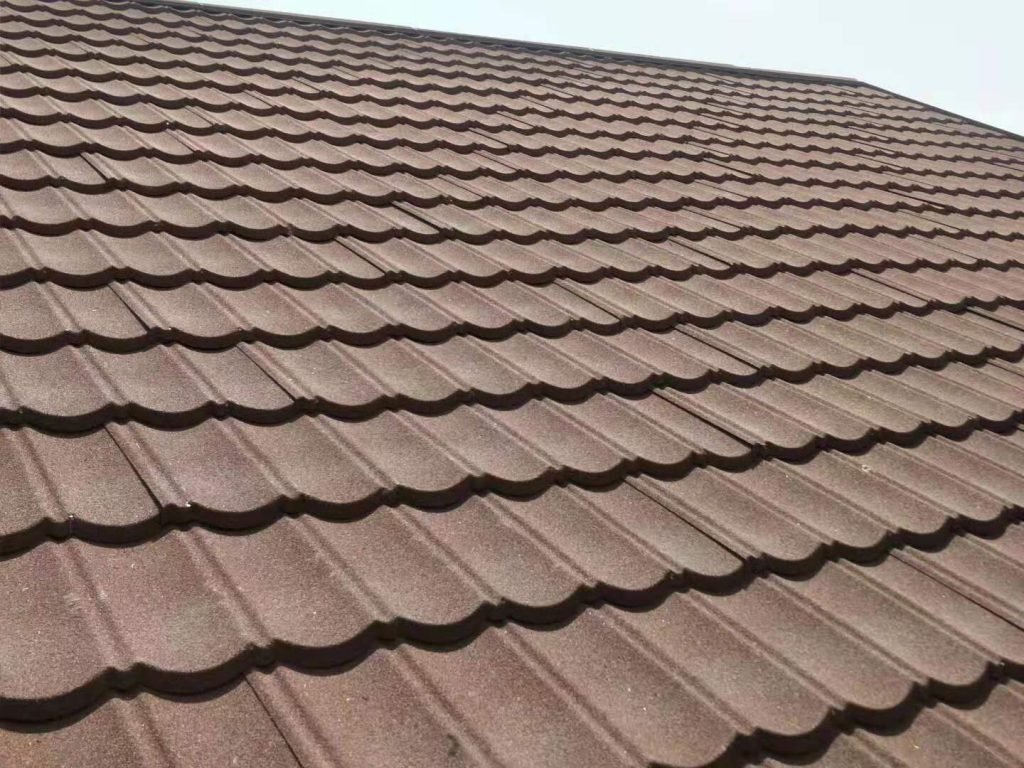
If you’re in a region that sees hail more than once in a blue moon, standard shingles are often not the best choice.
That’s where impact-resistant shingles come in:
- Class 3 – built to handle medium-sized hail
- Class 4 – built and tested to handle more severe impacts
For people in hail-prone areas, upgrading to Class 3 or Class 4 shingles usually means:
- Less damage after storms
- Fewer emergency repairs
- Longer intervals between replacements
- In some regions, better treatment from insurers
If you’re used to seeing hail every year or two, impact-resistant shingles should be on your shortlist. They cost more, but the roof doesn’t become a lottery ticket every storm season.
Tell me where your project is located and I can tell you whether I’d personally lean toward Class 3, Class 4, or a standard line.
4. Wind-Resistant Shingles: Keeping the Roof On
The second big worry, after hail, is wind. People ask, “Will these shingles stay on if we get a big storm?”
- How the nail zone is designed
- The strength and area of the self-seal strip
- The shingle type (heavier laminated shingles usually behave better)
- The nailing pattern (4-nail vs 6-nail)
For coastal or storm-exposed areas:
- A laminated / architectural shingle with a solid sealant strip
- A 6-nail installation pattern
- Paying attention to starter rows and edges, where wind likes to attack first
If you let me know your region, whether it’s coastal or inland, and roughly how exposed the building is, I can suggest an appropriate wind-resistant setup instead of guessing.
5. Fire-Resistant Asphalt Shingles: Don’t Ignore This
Fire risk doesn’t always show up in the first conversation, but it’s important, especially for:
- Densely built neighborhoods
- Areas with wildfires
- Multi-unit buildings and commercial projects
Many good asphalt shingle systems are designed and tested to meet Class A fire rating when installed with the right underlayment and deck.
The key point is:
Fire performance is about the whole system (deck + underlayment + shingle), not just the outer layer.
If building codes or insurance requirements are strict where you are, it’s worth making sure you’re talking about a Class A roof system from the beginning, not bolting it on at the end.
6. So Which Shingles Are “Best”?
After all this, the obvious question: “Okay, so which shingles are the best?”
The “best” asphalt shingle is the one that fits your climate, your roof, and your budget — not the fanciest brochure.
That usually breaks down like this:
- Hail-prone area → impact-resistant (Class 3 or Class 4)
- Stormy / coastal area → wind-focused laminated shingles with the right nail pattern
- High fire risk → a Class A roof system
- Tight budget on a simple roof → 3-tab
- Typical home where people want better look & lifespan → architectural shingles
- Comparing metal roof vs asphalt shingles → often a mid-grade laminated shingle wins on cost/performance
There’s no single “best shingle for everyone”. There is a best match for your situation.
7. If You Want a Recommendation for Your Own Roof
If you’re trying to decide what to use on a real project (not just reading for fun), I’m happy to give you a concrete suggestion instead of a generic one.
Send me:
- Country / city
- Approximate roof size
- Roof type (simple / complex, low slope / steep)
- Main concern: lifespan, hail, wind, fire, or budget
- Whether you’re comparing metal roof vs asphalt shingles
I can then reply with:
- What kind of shingle I’d choose in your position
- Rough lifespan expectations
- How I’d think about wind, hail, and fire for that location
- A realistic cost direction you can use to judge quotes