

How to Reduce Asphalt Shingle Roofing Costs: A Practical Guide for Contractors and Buyers
1. Why Cost Control Matters in Asphalt Shingle Roofing
Asphalt shingles remain one of the most cost-effective roofing materials in the world. They are affordable, easy to install, and suitable for both residential and light-commercial projects.
However, total roof cost is often misunderstood. Many contractors quote only shingle prices, while the real expense includes labor, roof complexity, accessories, waste, and freight.
Understanding the complete cost structure allows you to deliver more accurate quotes, improve profit margins, and win more competitive bids.
2. Breaking Down the Real Cost of an Asphalt Shingle Roof
A successful roofing estimate always begins with the correct cost components:
2.1 Roof Size and Measured Area
Roof size is not just the house footprint.
You must include:
- All slopes
- Ridge lines
- Valleys
- Eaves and overhangs
- Dormers or roof extensions
Roofers typically use “squares”:
1 roofing square = 100 sq ft (9.29 m²).
2.2 Roof Pitch and Complexity
Roof slope significantly affects cost.
- Steeper roofs require extra safety measures and more labor time.
- Complex roofs with multiple facets, intersecting areas, skylights, and chimneys increase cutting, trimming, and installation difficulty.
Even with the cheapest shingles, a complex roof can double the labor cost.
2.3 Material Selection: Shingle Grade Matters
Your shingle choice strongly affects the budget:
| Shingle Type | Typical Cost | Best For |
|---|---|---|
| 3-Tab (Strip) | Lowest | Rental houses, budget projects, mass housing |
| Architectural / Dimensional | Medium | Standard homes, better durability & appearance |
| Premium / Designer | Highest | Villas, custom homes, design projects |
Higher-end shingles usually provide better wind resistance, thickness, and curb appeal — but at a higher material cost.
2.4 Underlayment, Flashing, Nails, and Accessories
Many buyers forget these essential items:
- Underlayment (felt or synthetic)
- Ridge caps & starter strips
- Flashing components
- Ventilation systems
- Roofing nails or staples
- Sealants & adhesives
These “invisible” components can add 15–30% to the total roof cost.
2.5 Labor, Tear-Off, and Disposal Costs
If replacing an existing roof:
- Tear-off requires extra labor
- Old shingles, nails, and flashing must be removed
- Waste must be transported and disposed of
- Damaged decking may need repairs
These costs vary widely by region and labor market conditions.
2.6 Waste Factor (10–15% Extra Material)
Even with perfect measurements, you cannot avoid waste due to:
- Cutting around chimneys and skylights
- Valley overlaps
- Hip and ridge cutting
- Starter rows and finishing rows
Most contractors add 10–15% material on top of the calculated roof area.
3. Typical Asphalt Shingle Roof Cost Range
Costs vary by country and region, but the following ranges are common:
- $3.50 – $6.00 per sq ft: basic 3-tab shingles, simple roofs
- $6.00 – $10.00 per sq ft: architectural shingles, standard homes
- $10.00 – $16.00 per sq ft: premium shingles or complex structures
For a 2,000 sq ft roof, total project costs typically fall between:
$7,000 – $15,000, depending on chosen materials and roof complexity.
4. Actionable Ways to Reduce Asphalt Shingle Roof Costs
Here are practical methods to lower the overall project cost without sacrificing roof quality:
4.1 Choose the Right Shingle Level for the Right Project
Not every home needs architectural shingles.
Match product to customer:
- Budget project → 3-tab
- Mid-range → architectural
- Design-focused → premium
This prevents overspending while meeting expectations.
4.2 Simplify Roof Geometry Where Possible
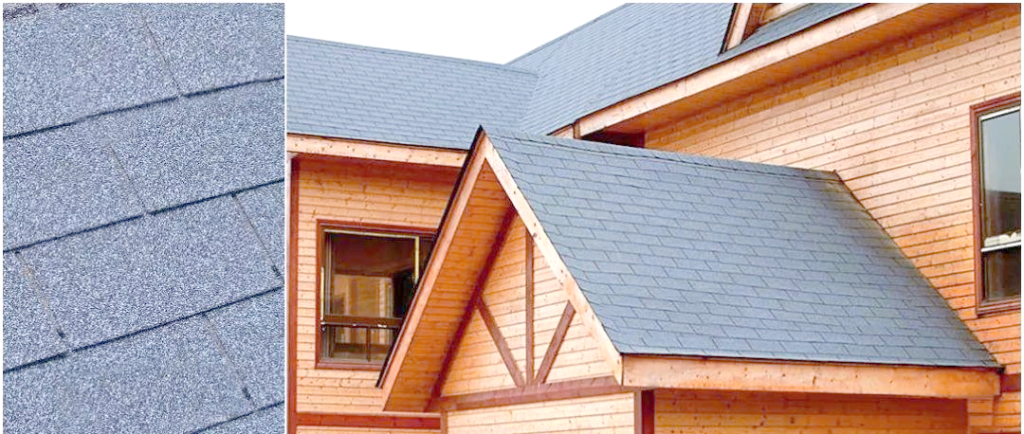
If you’re working with an architect or developer:
- Reduce unnecessary dormers
- Avoid complicated valley intersections
- Keep roof lines clean
Simpler shapes = fewer hours = lower cost.
4.3 Optimize Material Planning
Avoid last-minute shortages by using accurate takeoff tools.
Order all components together:
- Shingles
- Underlayment
- Nails
- Ridge caps
- Flashing
- Vents
Combined ordering reduces freight cost and minimizes delays.
4.4 Time Your Project Around Labor Availability
Labor can be 40%–50% of roof cost.
Plan installation when:
- Labor rates are lower
- Crews are more available
- Weather allows faster installation
Avoiding peak season saves significant money.
4.5 Control Waste Through Efficient Cutting & Layout
Train teams to reduce unnecessary trimming.
Good installers can reduce waste from 15% to under 10%.
For large projects, this difference is huge.
5. Using Cost Transparency to Win More Projects
Homeowners and developers appreciate clear, structured quotes.
Break down your proposal:
- Material cost
- Labor cost
- Waste allowance
- Tear-off & disposal
- Accessories
- Optional upgrades
Transparent pricing builds trust and makes your bid more competitive—even if it’s not the lowest.
6. Conclusion
Asphalt shingles are affordable, flexible, and suitable for almost every residential roofing project. But real savings come from understanding all cost components, planning well, and matching materials correctly to job requirements.
A roof doesn’t become cheaper by cutting corners — it becomes cheaper through smart planning, correct specification, and efficient execution.